

IPTV channel numbering and the Electronic Program Guide (EPG) shape how viewers find and schedule content. Together they organize channels, surface program details, and keep listings accurate across devices. This article walks through how channel numbers are assigned, how EPG data is structured and updated, and how mapping algorithms tie the two together. We also cover practical management tips and the industry trends that matter today. By the end, you’ll understand how these systems work in concert to make the viewing experience faster, clearer, and more reliable.
What is IPTV Channel Numbering and How Does It Optimize User Navigation?
IPTV channel numbering is the system that gives each channel a predictable place in a lineup. A clear numbering structure helps viewers jump straight to the content they want, reduces search time, and lowers frustration. Effective numbering is intuitive — grouping similar channels, placing popular services where they’re easy to reach, and adapting to different devices and markets. Providers use these schemes to improve usability and retention.
How are Channel Numbers Assigned in IPTV Systems?
Channel numbers are assigned using a mix of business rules, content classification, and audience data. Providers commonly group channels by genre (sports, news, movies), region, or language, and then position high-demand channels in prominent ranges. Algorithms can factor in channel popularity and individual viewing habits to produce default lists or personalized lineups. The result is a lineup that’s both logical and responsive to how people actually watch.
What Standards Govern IPTV Channel Numbering?
Standards such as Digital Video Broadcasting Service Information (DVB‑SI) and ATSC service and metadata guidelines help ensure consistent channel presentation and interoperability. These specs define how channels and service information are structured and exchanged, so devices and STBs can display the same lineup reliably. Following standards reduces confusion for users who switch providers or move between regions.
How Does Electronic Program Guide Data Structure Enable Accurate Program Scheduling?
The Electronic Program Guide (EPG) delivers the schedule and program details viewers rely on to plan their watching. A well-structured EPG stores program titles, descriptions, timings, genres, and related metadata so playback devices and apps can show accurate listings, reminders, and on-demand links. Clean, consistent EPG data means fewer mistakes, better recommendations, and a smoother viewing plan for users.
What Are the Key EPG Data Formats and Metadata Components?
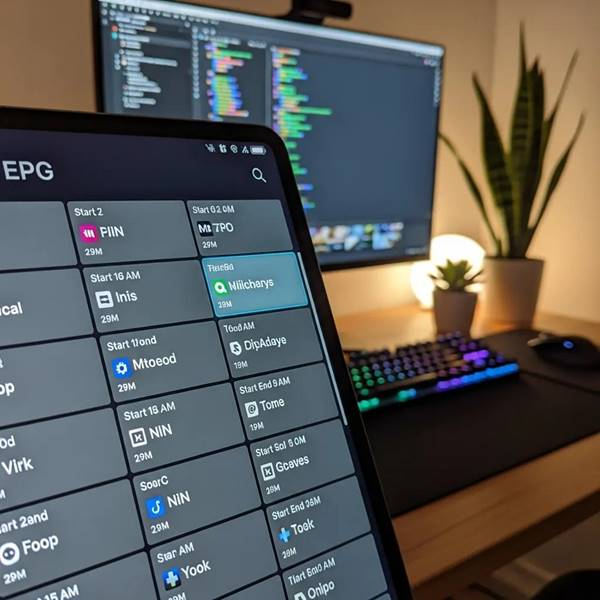
EPG data is commonly exchanged in formats like XML and JSON, which map program elements into predictable fields. Core metadata includes program titles, summaries, start and end times, episode and season identifiers, genre tags, and parental ratings. Rich metadata — images, cast lists, and content IDs — further enhances navigation, search, and recommendation features within the EPG.
How Is EPG Data Integrated and Updated in IPTV Services?
EPG integration typically combines feeds from content providers, aggregators, and internal catalog systems. Providers use automated ingestion pipelines to normalize and validate incoming data, then push updates to edge systems and client apps. To minimize schedule mismatches, teams implement automated reconciliation, real‑time updates for last‑minute changes, and monitoring to surface discrepancies quickly.
What Are Channel Mapping Algorithms and How Do They Synchronize Channel Numbering with EPG?
Channel mapping algorithms link the channel lineup to its corresponding EPG entries so viewers always see the correct program information for the channel they’re tuned to. Good mapping ensures that channel numbers, service IDs, and EPG records stay in sync across set‑top boxes, smart TVs, and apps.
How Do Channel Mapping Algorithms Work in IPTV Environments?
Mapping algorithms match channel metadata (service IDs, provider IDs, and stream URIs) with EPG records using deterministic rules and fuzzy matching when needed. They can detect and reconcile mismatches, support dynamic channel insertions or deletions, and automatically update client lists. More advanced systems learn from viewing patterns to surface the most relevant channels and listings.
What Challenges Occur in EPG Channel Mapping and How Are They Resolved?

Common challenges include inconsistent or missing metadata, feed delays, and service ID collisions. Providers address these with validation rules, automated conflict resolution, priority hierarchies for feeds, and continuous monitoring. Regular audits, fallbacks for missing data, and clear provenance tracking help keep channel lineup and EPG in lockstep.
What Are Best Practices for Program Guide Numbering and Channel List Management?
Maintaining a clear, user-centered channel list requires consistent numbering rules, flexible personalization, and a feedback loop with viewers. Best practices balance standardization for discoverability with customization for personal relevance.
How to Manage Channel Lists for Optimal User Experience?
Offer customizable lists and favorites, let users hide or reorder channels, and surface commonly used categories for quick access. Use analytics and direct feedback to refine default lineups, and provide parental controls and regional variations as needed. Regularly review placement based on viewing trends so the most-used content stays easy to reach.
What Are Program Guide Numbering Conventions and Their Importance?
Numbering conventions — like reserving ranges for news, sports, kids, or local channels — create predictable navigation patterns for users. Conventions simplify discovery across devices and providers, reduce confusion during provider switches, and make it easier to support universal remote mappings and third‑party tools.
How Can IPTV Providers Implement Structured Data to Enhance EPG and Channel Numbering Visibility?
Structured data helps search engines and discovery platforms understand your EPG and channel catalog. Using standard schema makes listings more discoverable, improves search result presentation, and supports integrations with voice assistants and guide aggregators.
Which Schema.org Types Support IPTV Channel and EPG Markup?
Schema.org types commonly used for broadcast and program metadata include BroadcastService, BroadcastEvent, and TVSeries. Implementing these types with clear identifiers, start/end times, and content metadata improves how program information is indexed and presented by external systems.
How Does JSON-LD Structured Data Improve Search Engine Comprehension?
JSON‑LD lets you embed structured EPG information directly in page markup in a machine‑readable way. Search engines and discovery services can parse program schedules, event times, and series metadata more reliably, which increases the chances of rich search results and improves how users find your programming online.
What Are the Latest Trends and Standards Updates in IPTV Channel Numbering and EPG Systems?
Keeping pace with standards and feature trends is essential. Recent updates focus on richer metadata, better interoperability, and tools for personalization and real‑time updates.
What Recent IPTV Standards Affect Channel Numbering and EPG?
Updates to DVB specifications and related broadcast metadata standards have emphasized better service identifiers, improved time‑shift handling, and richer descriptor support. These changes make it easier to synchronize lineups and EPGs across platforms while improving compatibility with hybrid broadcast/IP deployments.
How Are IPTV Adoption and EPG Usage Evolving in 2024-2026?
Adoption is growing alongside demand for personalized discovery. Expect more AI-driven recommendations in the EPG, deeper interactivity (click-to-watch, reminders, integrations with streaming apps), and wider use of low‑latency networks like 5G for live events. Providers are increasingly focusing on tailored guides that react to both user behavior and live content changes.
Frequently Asked Questions
What is the difference between IPTV and traditional cable TV?
IPTV delivers TV over IP networks (the internet), enabling on‑demand playback, interactivity, and app integration. Traditional cable uses coaxial or fiber infrastructure and typically follows a fixed broadcast schedule. IPTV can provide more flexible viewing options, richer metadata, and personalized experiences because it’s delivered as data rather than a fixed broadcast stream.
How can users customize their IPTV experience?
Users can create favorite lists, reorder channels, choose preferred genres, and enable parental controls. Many platforms also offer personalized recommendations based on viewing history and allow users to save shows for later. Regularly adjusting preferences and using favorites ensures the guide matches individual habits.
What role does user feedback play in IPTV service improvement?
User feedback directly informs lineup adjustments, feature priorities, and EPG accuracy efforts. Providers that track feedback and viewing metrics can refine default channel placements, fix pain points faster, and roll out features that increase engagement and retention.
Are there any legal considerations for IPTV providers?
Yes. Providers must secure distribution rights, respect copyright and licensing agreements, and comply with regional broadcast regulations. They must also handle user data in line with privacy laws. Legal compliance is essential to avoid fines or service interruptions.
How does the quality of internet connection affect IPTV performance?
IPTV performance depends heavily on bandwidth, latency, and connection stability. Low bandwidth causes buffering and degraded video quality; high latency can affect live TV responsiveness. For smooth HD streaming, providers typically recommend a reliable broadband connection — higher speeds for 4K or multi‑stream households — and a solid network setup at home.
What are the benefits of using structured data for IPTV services?
Structured data improves discoverability, helps search engines and devices surface your programming, and can enable richer search result features. It also simplifies integrations with voice assistants and third‑party guide services, ultimately driving more viewers to your content.
What future trends should IPTV users be aware of?
Look for more AI-powered personalization, interactive EPG features, broader 5G-enabled low‑latency streaming, and deeper app-to-guide integrations. These changes will make guides more responsive, tailored, and interactive, giving users faster access to what they want to watch.
Conclusion
Channel numbering and the EPG are more than technical details — they’re the backbone of a usable IPTV service. Proper channel mapping, clean EPG data, structured metadata, and smart management practices all combine to make navigation intuitive and schedules reliable. Whether you’re a provider optimizing your guide or a viewer wanting a smoother experience, understanding these systems helps you get the most from modern TV platforms. Explore these practices to elevate your IPTV offering today.

0 Comments